
Bear-Proof Waste Solutions for National Parks
Bear-Proof Waste Solutions for National Parks
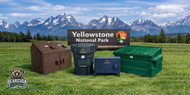
National parks need reliable bear-proof waste solutions to protect visitors, wildlife, staff, and park facilities. Bear-resistant trash cans, metal enclosures, dumpsters, recycling containers, and food-storage lockers help prevent bears from accessing human food and waste while supporting cleaner, safer recreation areas.
Bear-Proof Waste Solutions for National Parks
Why National Parks Need Bear-Proof Waste Management
National parks need reliable bear-proof waste solutions to protect visitors, wildlife, staff, and park facilities. Bear-resistant trash cans, metal enclosures, dumpsters, recycling containers, and food-storage lockers help prevent bears from accessing human food and waste while supporting cleaner, safer recreation areas.
Bears have an exceptional sense of smell and can be attracted to food scraps, packaging, cooking waste, pet food, toiletries, and other scented materials. Once a bear successfully obtains food from a trash container, it may return repeatedly and become food conditioned.
Bear-proof waste systems reduce access to attractants and help parks:
- Protect visitors, employees, and wildlife
- Reduce bear encounters in developed areas
- Prevent overturned containers and scattered trash
- Lower cleanup, maintenance, and property-damage costs
- Support responsible wildlife-management programs
Best Bear-Proof Waste Solutions for National Parks
Bear-Resistant Trash Cans
Bear-resistant trash cans are ideal for campgrounds, trailheads, picnic areas, visitor centers, restrooms, parking lots, cabins, and employee housing. They should include secure locking lids that are easy for visitors and collection crews to operate but difficult for bears to open.
Recommended Applications- Individual campsites
- Small picnic areas
- Trail access points
- Park offices and housing areas
- Low- to moderate-volume waste locations
Bear-Resistant Metal Enclosures
Metal trash-can enclosures provide an additional layer of protection around standard waste carts. They are well suited for locations that need secure waste storage, durable construction, and an appearance that blends with natural park surroundings.
Recommended Applications- Campground waste stations
- Lodges and rental cabins
- Food-service areas
- Maintenance facilities
- High-use picnic areas
Bear-Proof Metal Dumpsters
Bear-proof dumpsters are designed for high-volume waste collection at busy park locations. Heavy-duty steel construction, reinforced lids, and bear-resistant locking systems help prevent wildlife access while supporting commercial waste-hauling operations.
Recommended Applications- Visitor centers
- Campground collection areas
- Restaurants and concession facilities
- Hotels, lodges, and employee housing
- Central park maintenance operations
Bear-Resistant Food-Storage Lockers
Food-storage lockers give campers and park visitors a secure place to store food, coolers, cookware, toiletries, and scented items. They are especially important in tent campgrounds and backcountry-access areas where food cannot safely remain inside vehicles or tents.
Recommended Applications- Tent campsites
- Group campgrounds
- Backcountry staging areas
- Picnic shelters
- Accessible campsites
How to Choose the Right Bear-Proof Container
Park managers should select containers based on waste volume, visitor traffic, collection frequency, wildlife activity, climate, accessibility, and compatibility with existing hauling equipment.
Key Features to Evaluate
- Bear-resistant locking mechanism
- Heavy-duty steel or reinforced construction
- Weather- and corrosion-resistant finish
- Ease of use for visitors and sanitation crews
- Compatible capacity and collection method
- Accessible design for public-use locations
- Replaceable hardware and serviceable components
Recommended Bearicuda Solutions for National Parks
Bearicuda provides waste and food-storage solutions for campgrounds, visitor centers, picnic areas, trailheads, lodges, maintenance facilities, and other public recreation environments.
Bearicuda Product Applications
- Stealth Bear-Resistant Trash Cans: Residential-style carts for campsites, cabins, housing areas, and smaller waste stations.
- Highlander Metal Enclosures: Secure enclosures for trash carts at campgrounds, lodges, picnic areas, and commercial park facilities.
- Guardian Bear-Proof Dumpsters: Heavy-duty waste containers for high-volume park operations and concession areas.
- Whistler, Forester, and Ranger Food Lockers: Secure storage for food, coolers, cookware, and scented items at campsites and picnic areas.
Best Practices for Park Waste Stations
- Place containers close to high-use areas without blocking trails or traffic.
- Use clear signs explaining how to close and lock each container.
- Empty containers before they become overfilled.
- Clean spills, grease, and food residue around waste stations.
- Inspect latches, hinges, lids, and doors regularly.
- Secure dumpsters and carts between collection periods.
- Provide food-storage lockers where campers cannot safely store attractants.
Frequently Asked Questions
What is the best bear-proof waste solution for a national park?
The best solution depends on the location and waste volume. Bear-resistant trash cans work well at campsites and trailheads, metal enclosures protect carts at lodges and picnic areas, and bear-proof dumpsters are best for high-volume facilities.
What should campers store in a bear-resistant food locker?
Campers should store food, beverages, coolers, cookware, garbage, pet food, toiletries, sunscreen, and other scented items inside the locker whenever they are not in active use.
Are bear-resistant containers the same as standard trash cans?
No. Bear-resistant containers use reinforced construction and specialized locking systems designed to prevent bears from opening, crushing, or overturning the container.
Where should bear-proof dumpsters be installed?
Bear-proof dumpsters should be installed at visitor centers, lodges, restaurants, maintenance yards, campground collection points, and other areas that generate large amounts of food-related waste.